Author name: admin

Blog

6 Construction Industry Trends 2025 in Australia

The construction industry contributes approximately 8.1% to the nation’s GDP, and increased infrastructure spending, government incentives, and adopting sustainable construction practices will drive its growth in 2025. Government initiatives, such as enhanced urban infrastructure and transportation networks, continue to shape the industry’s transformation alongside rising housing demand and technological adoption. 1. Major Infrastructure Investments Large-scale infrastructure projects continue to be a key driver of commercial construction. Ongoing developments in transport, energy, and commercial spaces are shaping the urban landscape. Key projects within Western Australia include the METRONET program, transforming Perth’s public transport network, and upgrades to the Kwinana Freeway35. Renewable energy projects like solar and wind farms are also gaining traction as businesses prioritise sustainability. Over the next four years, the WA government has allocated $11.8 billion AUD for new road, rail, and transport infrastructure projects across Western Australia24. The METRONET program alone has an investment of $4.8 billion AUD over the forward estimates period. 2. Commercial Trends Commercial construction trends continue to evolve, reflecting changing business needs and consumer demands 3. Technological Innovations Building Information Modeling (BIM) enhances collaboration and precision in planning, while drones and robotics improve site inspections and operational efficiency. Cloud-based construction management software enables real-time project tracking and resource management, while modular and offsite construction methods reduce on-site labour requirements. Artificial intelligence and machine learning are also leveraged for predictive risk assessment and project optimisation. 4. Sustainability Initiatives Sustainability remains at the forefront of industry priorities. The adoption of Green Star Certification ensures adherence to sustainable building standards, while renewable energy integration reduces the carbon footprint of construction projects. Circular economy practices, including recycling and waste minimisation, are becoming standard industry practices. 5. Workforce Dynamics Labour shortages and challenges persist, with an aging workforce and a lack of skilled professionals impacting project timelines. Efforts are being made to address these challenges through training and upskilling initiatives, diversity and inclusion programs, and apprenticeship schemes to attract younger talent. 6. Industry Outlook Despite challenges, the overall sentiment within the Australian construction industry remains optimistic. Urban regeneration projects, public-private partnerships, and the integration of advanced technologies are expected to drive growth. However, addressing rising material costs, labour shortages, and regulatory hurdles will be essential for long-term success. Conclusion In conclusion, the Australian construction industry in 2025 is poised for significant growth, driven by infrastructure investments, technological innovation, and sustainability initiatives. Stakeholders must remain agile, embrace change, and prioritise sustainable practices to thrive in the evolving landscape of the construction sector. You may also like:

Blog, Commercial Builders Perth, Uncategorized

Top 5 sustainable office buildings worldwide

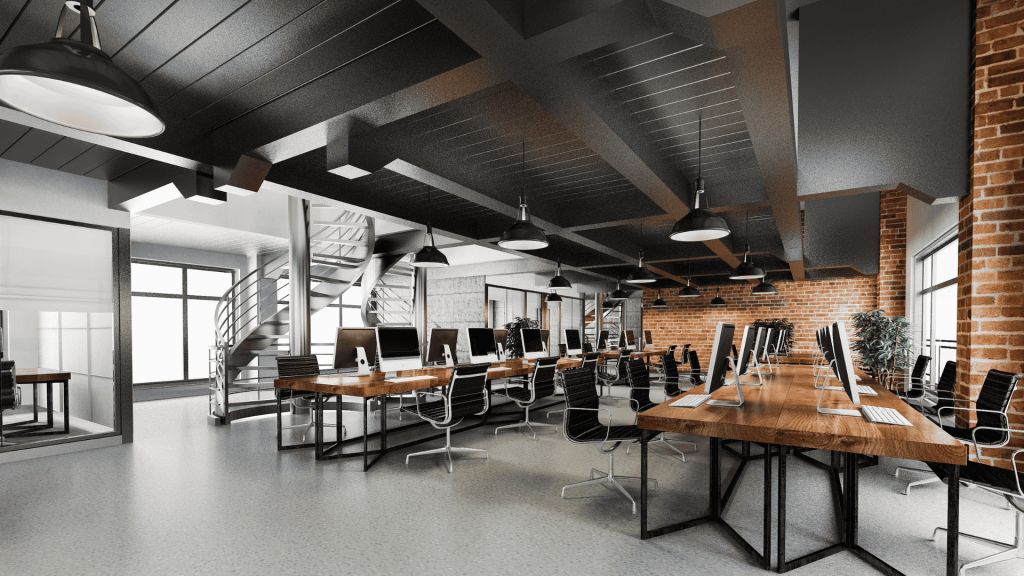
The global shift towards sustainable office construction is rapidly gaining momentum, with green buildings contributing $28.40 billion to the market in 2023. This sector is set for remarkable growth, with projections showing a compound annual growth rate (CAGR) of 11.1% from 2024 to 2030, redefining workplaces across the globe. Here are the top 5 global office buildings that are setting the benchmark for green design: 1. The Edge, Amsterdam (Netherlands) Often hailed as the most sustainable office building globally, The Edge integrates advanced technology to achieve exceptional energy efficiency. This energy-positive building generates more energy than it consumes, thanks to its rooftop solar panels and rainwater collection systems. Equipped with over 28,000 sensors monitoring temperature, occupancy, and light, it optimises energy use in real-time. Its design earned the highest-ever BREEAM score for an office building at 98.36%, setting a global benchmark for green design. 2. Bullitt Center, Seattle (USA)Known as the “greenest commercial building in the world,” the Bullitt Center aims for net-zero energy and water use. Its rooftop solar panels produce more energy than the building consumes, while a rainwater collection and filtration system provides for all its water needs. Designed with natural light in mind, it features an “irresistible staircase” to encourage physical activity and improve occupant health. The Bullitt Center is recognised for its trailblazing approach to sustainable design and occupant well-being. 3. Shanghai Tower, Shanghai (China)The Shanghai Tower is a shining example of sustainability in urban architecture. This iconic skyscraper reduces its carbon footprint by approximately 34,000 tonnes annually. Rainwater harvesting and wind turbines that generate 350,000 kWh of electricity per year are key features of its green design. Its innovative structure minimises wind load and maximises natural light. With multiple green certifications, the Shanghai Tower sets a high standard for sustainable skyscrapers. 4. One Central Park, Sydney (Australia)Located in the heart of Sydney, One Central Park is a masterpiece of urban greenery. Its stunning hanging gardens not only beautify the cityscape but also reduce energy consumption and promote biodiversity. The heliostat system reflects sunlight into shaded areas, enhancing energy efficiency. Recognised for its innovative use of sustainable materials, One Central Park is a testament to Australia’s commitment to integrating nature into urban spaces. 5. Olympic House, Lausanne (Switzerland)As the headquarters of the International Olympic Committee (IOC), the Olympic House is a beacon of sustainability. It uses solar panels and heat pumps powered by Lake Geneva to reduce energy consumption by 35% compared to similar buildings. Achieving LEED Platinum certification, this facility showcases a commitment to environmental performance while providing a cutting-edge workspace for its occupants. Need advice from a Perth commercial builder who understands the importance of using top-quality materials? Fill out this form here or call 0403 464 064 to get a free quote.

Blog

Designs Redefining Office Workspaces in 2025

In Australia, where hybrid work models and a focus on well-being are becoming the norm, 2025 is set to introduce innovative office space designs that prioritise flexibility, sustainability, and technology. Here’s a look at the top trends defining office spaces in 2025: 1. Flexible and Adaptive Workspaces This trend features movable partitions, modular furniture, and multi-functional areas that can easily adapt to the changing needs of the workforce. Flexible layouts not only improve space utilisation but also help businesses create dynamic, collaborative environments that align with employee expectations and operational goals. 2. Biophilic and Nature-Inspired Design Biophilic design, which incorporates natural elements into the workspace, is gaining momentum in 2025. Bringing elements like indoor plants, natural light, and earthy materials into the office not only enhances aesthetics but also boosts employee well-being. Studies from the University of Melbourne reveal that biophilic workspaces can reduce employee stress by 15% and increase productivity, making it an increasingly popular choice for Australian companies looking to enhance the work environment. 3. Smart Technology Integration In 2025, IoT-enabled sensors, automated lighting, and climate controls are being widely adopted to reduce energy consumption and improve workplace comfort. Cyanergy reports that offices utilising smart technology like Building Energy Management Systems (BEMS) can lower energy costs by up to 40%, aligning with sustainability goals and operational savings. 4. Wellness-Centric Workspaces With average sick leave in Australia reaching 13.8 days per employee per year (2024 data), employee well-being remains a top priority in office design. Workplaces are incorporating quiet zones, ergonomic furniture, and wellness rooms to support mental and physical health. Research shows that well-being programs can reduce absenteeism by more than 25%, making wellness-focused spaces a smart investment for businesses striving for a happier, healthier, and more productive workforce. These trends highlight how 2025 is redefining office spaces, with wellness, flexibility, and smart technology paving the way for the future.Need advice from a Perth commercial builder who understands the importance of using top-quality materials? Fill out this form here or call 0403 464 064 to get a free quote.

Commercial Builders Perth

2025 Top Commercial Construction Trends

As one of the top contributors to the Australian economy—representing 8.1% of GDP—the construction industry is set to evolve with exciting advancements in 2025, with a projected growth of AUD 59.49 billion from 2023 to 2028, the commercial construction sector is now embracing new standards that prioritise sustainability, technology, and efficient construction practices. Here’s a look at the top trends defining the industry in 2025 and setting new benchmarks in commercial construction: 1. Sustainable Materials and Green Building Design In 2025, the shift towards green building materials—including low-carbon concrete, recycled steel, and Cross Laminated Timber (CLT)—is becoming central to meeting environmental standards and client expectations for eco-friendly builds. According to the Green Building Council of Australia (GBCA), buildings that use sustainable materials and design can cut down energy use by up to 50% and save operational costs in the long term, making them a smart choice for Australian businesses aiming for sustainability and efficiency. 2. Rise of Smart and Connected Buildings Smart technology is transforming commercial spaces, with IoT sensors, automated lighting, HVAC controls, and energy management systems becoming standard features in 2025. According to the Australian Smart Communities Association, integrating smart technology in commercial buildings can cut energy consumption by up to 30%, benefiting both the environment and operating costs. Building Information Modeling (BIM) is also on the rise, streamlining workflows and minimising construction waste. 3. Modular and Prefabricated Construction Modular construction is set to transform large-scale project execution, using prefabricated parts produced off-site and assembled on-site. This method can accelerate construction by nearly 60%, offering builders significant time savings by minimising on-site work, reducing disruptions, and speeding up project delivery compared to traditional methods—making it an increasingly popular choice across Australia for sustainable and efficient building solutions. Disclaimer:  The amount of AUD 59.49 is based on an exchange rate of approximately 1 USD = 1.54643 AUD as of November 20, 2024.Need advice from a Perth commercial builder who understands the importance of using top-quality materials? Fill out this form here or call 0403 464 064 to get a free quote.

Commercial Builders Perth

Best Building Materials for Australian Construction

The success of any construction project heavily depends on the quality of materials used, especially in our country, where materials should withstand diverse environmental conditions. Let’s take a look at the top materials that ensure your projects are strong, durable, and sustainable. 1. Reinforced Concrete Reinforced concrete is a key material in Australian construction, known for its durability and strength. By combining steel reinforcement with concrete, it can handle heavy loads and endure extreme weather conditions like coastal winds, high temperatures, and cyclones. This ensures the integrity, stability, and safety needed for long-lasting buildings. 2. Structural Steel Structural steel plays a critical role in Australia’s construction industry, with over 6 million tonnes used annually. Its flexibility, strength, and 90% recyclability make it a sustainable and versatile option for large-scale projects, including commercial buildings, bridges, and stadiums. 3. Sustainable Timber Sustainable timber is gaining popularity, especially in Australia, where timber structures can sequester up to 1.8 tonnes of CO2 per cubic metre, offering a greener alternative to traditional materials.  Choosing the right materials is critical to the success of your next project.If you’re looking for a Perth commercial builder with proven years of experience in warehouse projects, fill out this form or call 0403 464 064 for a free quote.

Commercial Builders Perth

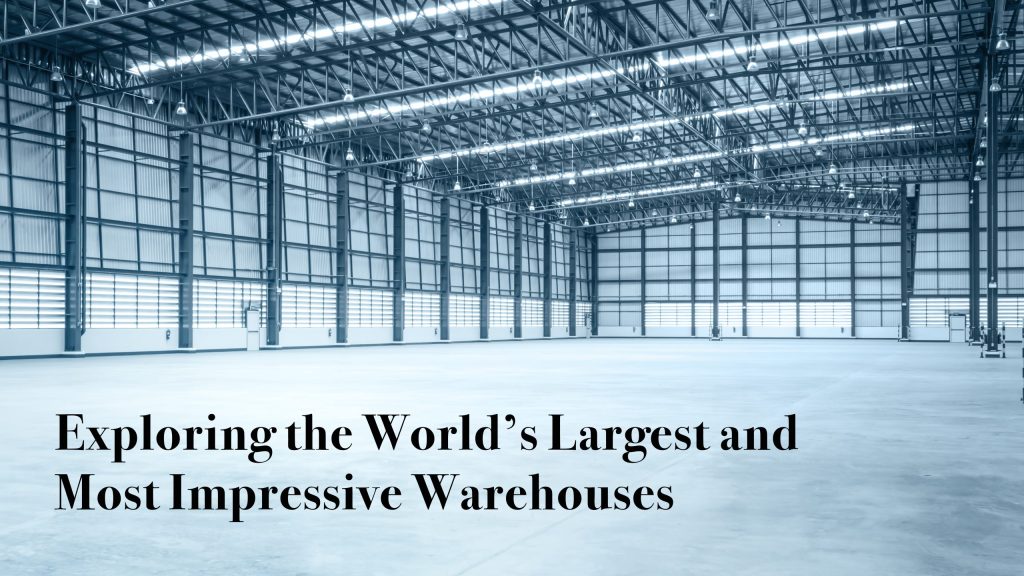
Exploring 4 the World’s Largest Warehouse Projects

In 2023, the value of construction work for warehouses in Australia reached around 8.74 billion Australian dollars. This substantial investment highlights the sustained demand for logistics space, even amid broader economic challenges. Below are some of the world’s most innovative warehouse projects that are setting new benchmarks in size, technology, and sustainability. 1. Tesla Gigafactory, Nevada, USAAt approximately 5.3 million square feet, the Tesla Gigafactory is more than just a massive space. It’s a hub for sustainability, using solar panels and eco-friendly design to power battery production. Tesla aims to power its factories with 100% renewable energy by 2030, contributing to its commitment to lowering carbon emissions. In fact, its solar panels alone generate enough energy to power the factory’s operations, reducing reliance on external energy sources. 2. Meyer Werft Shipyard, GermanyCovering approximately 500,000 square meters, this facility is a model of precision in warehouse construction. It is recognised for its advanced construction techniques and high-tech machinery, which contribute to its efficiency in shipbuilding. This facility can produce two to three luxury cruise ships annually, with each vessel carrying up to 6,000 passengers. 3. Boeing Everett Factory, Washington, USASpanning 98.3 acres, the Boeing Everett Factory holds the title as the largest building by volume in the world, with a capacity of 13.3 million cubic meters. This huge facility is responsible for assembling some of the world’s largest and most iconic aeroplanes, including the Boeing 747, along with other models like the 767, 777, and 787. 4. Moorebank Intermodal Terminal, Sydney, Australia As one of Australia’s most significant logistics hubs, the Moorebank Intermodal Terminal covers 243 hectares and integrates state-of-the-art logistics technologies to improve the efficiency of Australia’s freight system.  By using automated container handling, a dedicated rail freight link to Port Botany via the Southern Sydney Freight Line, and advanced rail infrastructure, it reduces road congestion and minimises environmental impacts. This terminal can move over 1.05 million twenty-foot equivalent units (TEUs) annually through its Import Export (IMEX) terminal, making it a pivotal part of Australia’s supply chain. These projects are setting new benchmarks for what’s possible in warehouse design, showing that innovation, sustainability, and efficiency can go hand in hand. Ready to bring innovation to your next warehouse project?If you’re looking for a Perth commercial builder with proven years of experience in warehouse projects, fill out this form or call 0403 464 064 for a free quote.

Top 5 Sustainable Projects of 2024
Blog

Top 5 Sustainable Projects of 2024

In 2024, the construction industry has seen major progress towards sustainability. Around the globe, large-scale projects are pushing the boundaries of green building practices, showcasing advancements in technology, architectural innovation, and a strong commitment to environmental stewardship. Here’s a look at 4 standout sustainable projects making an impact this year. 1. The Edge, Amsterdam, Netherlands Known as the world’s most sustainable office building, The Edge uses solar panels, smart lighting, and advanced climate control to optimise energy efficiency. It has achieved the highest BREEAM rating and showcases how green office buildings can enhance both productivity and sustainability. 2. One Central Park, Sydney, Australia Famed for its vertical gardens, this Sydney development integrates residential, commercial, and retail spaces with lush greenery. The green walls improve air quality, combat urban heat, and foster biodiversity. One Central Park exemplifies how sustainable living can thrive in dense urban settings. 3. Masdar City, Abu Dhabi, UAE Masdar City is a pioneering carbon-neutral urban project powered by renewable energy and designed for zero waste. With solar energy and smart technologies integrated into its infrastructure, it serves as a global model for sustainable urban planning. 4. Vancouver House, Vancouver, Canada Designed by Bjarke Ingels Group, Vancouver House redefines sustainable high-rise living. It incorporates green roofs, energy-efficient systems, and innovative rainwater management, aiming for LEED Platinum certification. The project sets a new standard for eco-conscious urban development. 5. Forest City, Malaysia This ambitious development of artificial islands in Johor combines renewable energy systems and green infrastructure to create a sustainable urban environment. Forest City is a standout example of how eco-friendly cities can lead the way in Southeast Asia. These projects represent just a few examples of the innovative approaches to sustainable construction in 2024, shaping a greener, more responsible future.If you are looking for a Perth commercial builder for renovation or construction, fill out this form or call 0403 464 064 to get a free quote.

Blog

Lessons Learned from 3 Major Projects

Each project leaves us with valuable insights. Here’s a quick look back at three of our most noteworthy projects: GOVERNMENT AGENCY ⚡Project Highlight: Secure Facility for a Government Agency We recently worked with a government agency in Perth’s northern suburbs that needed a more secure and discrete facility. Their existing space didn’t meet their current security requirements, so they approached us for a solution. We developed a multi-use commercial facility that provided both the necessary security and a comfortable working environment. Our approach was straightforward: a personalised design that incorporated advanced security features and state-of-the-art building methods to ensure a timely delivery without compromising quality. This project reminded us of the importance of truly understanding our clients’ needs and finding practical solutions that meet those needs effectively and efficiently. Check out the full project details here.  E-SOLAR 🌿 Throwback to Our Project with e-Solar in Greenwood A while back, we had the chance to support e-Solar, a sustainable solar energy provider, during a crucial expansion. They needed a larger warehouse and a new showroom, but the original plans were overly complex, and the carpark didn’t meet council requirements. We took a step back and simplified the approach — focusing on a cost-effective expansion and designing a flexible showroom with multiple display spaces. For us, it’s always about creating real, tangible value for our clients. This project is a great reminder of how thoughtful planning and practical solutions can help businesses grow without overcomplicating the process. Check out the full project details here. BOUNCE INC  We’re proud to highlight one of the biggest projects we tackled: Bounce Inc Australia indoor trampoline park. 🤸🏼‍♂️ As the largest indoor trampoline park in Australia, this was a massive undertaking and a huge opportunity for our team. This state-of-the-art recreational space offers endless fun and fitness opportunities for all ages. Building this park required meticulous planning, innovative techniques, and seamless teamwork. We learned so much and proved our capability to manage large, impactful builds.  Check out the full project details here.If you are looking for a Perth commercial builder for renovation or construction, fill out this form or call 0403 464 064 to get a free quote.

Scroll to Top